
The Connection Between Belly Fat and Type 2 Diabetes: What You Need to Know
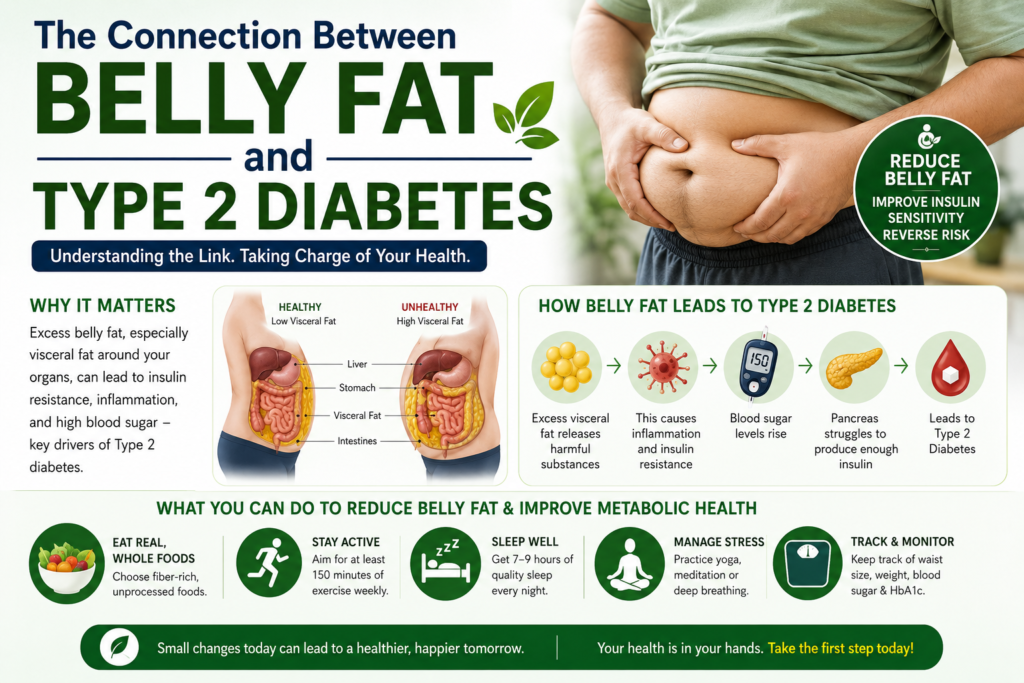
Connection Between Belly Fat and Type 2 Diabetes Connection Between Belly Fat and Type 2 Diabetes – Belly fat is often viewed as a cosmetic concern, but it has a much bigger impact on your health than many people realize. Excess fat around the abdomen—especially the fat stored deep inside the abdomen surrounding your organs, known as visceral fat—is strongly linked to insulin resistance and the development of Type 2 diabetes. Understanding this connection is the first step toward improving your metabolic health and reducing your risk of diabetes-related complications. What Is Belly Fat? Not all body fat is the same. There are two main types: While subcutaneous fat is generally less harmful, excess visceral fat is metabolically active and releases hormones and inflammatory substances that interfere with your body’s normal functions. How Belly Fat Leads to Type 2 Diabetes One of the primary causes of Type 2 diabetes is insulin resistance. Insulin is the hormone that helps move glucose from your bloodstream into your cells for energy. When you carry excess belly fat, particularly visceral fat, it can: Over time, the pancreas struggles to produce enough insulin to keep blood sugar under control, eventually leading to Type 2 diabetes. Why Waist Size Matters More Than Weight Many people focus only on body weight, but waist circumference is often a better indicator of metabolic health. A larger waistline may suggest increased visceral fat, even if your Body Mass Index (BMI) falls within the normal range. As a general guideline: Measuring your waist regularly can help you monitor your progress alongside your weight. Signs You May Have Insulin Resistance Insulin resistance often develops silently before diabetes is diagnosed. Some common warning signs include: If you notice these symptoms, consult your healthcare provider for appropriate evaluation. Can Losing Belly Fat Improve Blood Sugar? The encouraging news is that reducing visceral fat can significantly improve insulin sensitivity. Many people experience improvements in: Even losing 5–10% of your body weight can provide meaningful health benefits for many individuals living with overweight or obesity. Healthy Ways to Reduce Belly Fat 1. Choose Whole, Nutrient-Dense Foods Fill your plate with: Limit sugary drinks, refined carbohydrates, ultra-processed snacks, and excessive added sugars. 2. Stay Physically Active Aim for at least 150 minutes of moderate-intensity exercise each week. Activities may include: Building muscle helps your body use glucose more efficiently. 3. Prioritize Quality Sleep Sleeping less than 7 hours regularly may increase hunger hormones, worsen insulin resistance, and contribute to weight gain. Aim for 7–9 hours of quality sleep every night. 4. Manage Stress Chronic stress raises cortisol, a hormone that can encourage fat storage around the abdomen and make blood sugar management more difficult. Helpful stress-management techniques include: 5. Monitor Your Progress Track important health markers regularly, including: Regular monitoring helps you and your healthcare provider assess your progress and adjust your care plan when needed. A Holistic Approach Matters Managing Type 2 diabetes is about more than lowering blood sugar. Addressing the underlying factors—such as nutrition, physical activity, sleep, stress, and weight management—can improve your overall metabolic health. A personalized lifestyle plan, developed with guidance from qualified healthcare professionals, is often the most effective and sustainable approach. Final Thoughts Belly fat is more than an appearance issue—it is a significant marker of metabolic health. By reducing excess abdominal fat through healthy eating, regular exercise, quality sleep, stress management, and ongoing medical care, many people can improve insulin sensitivity and better manage Type 2 diabetes. Small, consistent lifestyle changes can have a lasting impact. Focus on building healthy habits that you can maintain over time, and work closely with your healthcare team to achieve your long-term health goals.